U.S. Mint Strikes Final Pennies, Ending Production of Iconic Coin After 232 Years
Pennies remain valid for transactions, and the Mint will honor them for redemption. Retailers have adapted by rounding to the nearest nickel, a practice already common in Canada since 2013.
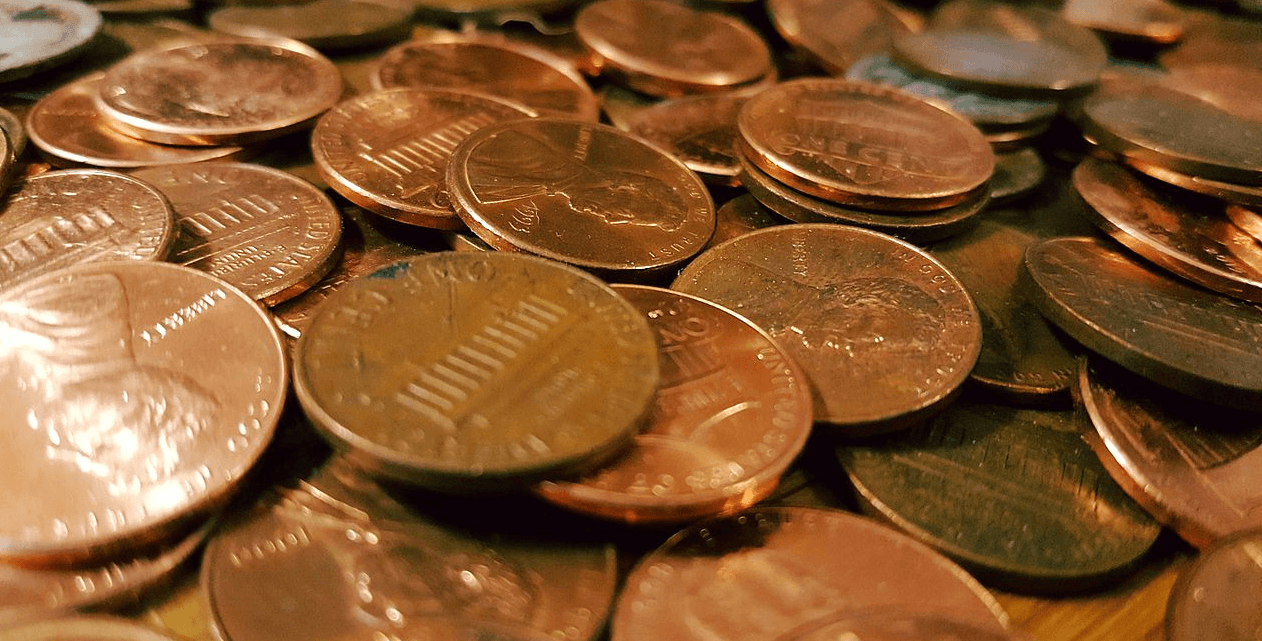
The U.S. Mint pressed its last Lincoln pennies on November 12, 2025, at the Philadelphia facility where the nation's smallest denomination coin has been produced since 1793, marking the end of an era driven by escalating costs and diminishing utility. U.S. Treasurer Brandon Beach activated the machine for the final strike, declaring, "God bless America, and we're going to save the taxpayers $56 million." The few remaining coins from the run will be auctioned, with billions already in circulation serving as legal tender indefinitely.
The penny's journey began with the Coinage Act of 1792, authorizing the one-cent piece as the smallest unit of U.S. currency to facilitate everyday transactions in a young republic reliant on barter and foreign coins. The first pennies, minted in 1793 from pure copper, weighed 13.48 grams and featured a generic "Liberty Cap" design. In 1909, to commemorate Abraham Lincoln's centennial, the obverse gained his profile, making it the longest-running portrait on any U.S. coin. Composition shifted during wartime—steel-plated zinc in 1943—and to copper-plated zinc in 1982 for cost efficiency, but production volumes remained high, peaking at 14 billion annually in the 1960s.
Retirement efforts gained traction in the 21st century as the penny's value eroded against inflation. A single cent bought a loaf of bread in 1909 but barely covers a fraction of a candy today. Production costs surpassed face value in 2006, reaching 3.07 cents per penny in fiscal 2024 per U.S. Mint reports, with zinc and copper prices driving the annual $56 million loss. President Trump, citing wastefulness, ordered the phase-out in February 2025, accelerating a bipartisan push dormant since the half-cent's discontinuation in 1857. The move aligns with economic analyses, including a 2023 Government Accountability Office study estimating $20 million yearly savings after transition.
Pennies remain valid for transactions, and the Mint will honor them for redemption. Retailers have adapted by rounding to the nearest nickel, a practice already common in Canada since 2013. Banks rationed supplies in recent weeks, and some stores offered incentives like free drinks for penny donations. The National Association of Convenience Stores expressed frustration over the abrupt rollout, lacking federal guidance on handling change, but acknowledged the coin's obsolescence.
Historians like Frank Holt of the University of Houston view the penny as a "historical record" reflecting American ideals, from mottos like E Pluribus Unum to commemorative designs honoring presidents and events. Its end symbolizes fiscal pragmatism, freeing resources for higher-value coinage while preserving cultural artifacts in collections. The Mint shifts focus to quarters and dimes, whose production costs—under 6 cents and 15 cents respectively—align better with economic realities.
Like this article