President Trump Secures Trade Deals with Four Nations to Reduce U.S. Food Costs
The deals, finalized during virtual summits with counterparts, target immediate relief for consumers facing the lingering effects of a drastic 11.4% surge in grocery inflation under the Biden administration in 2022, which peaked at levels not seen since 1979.
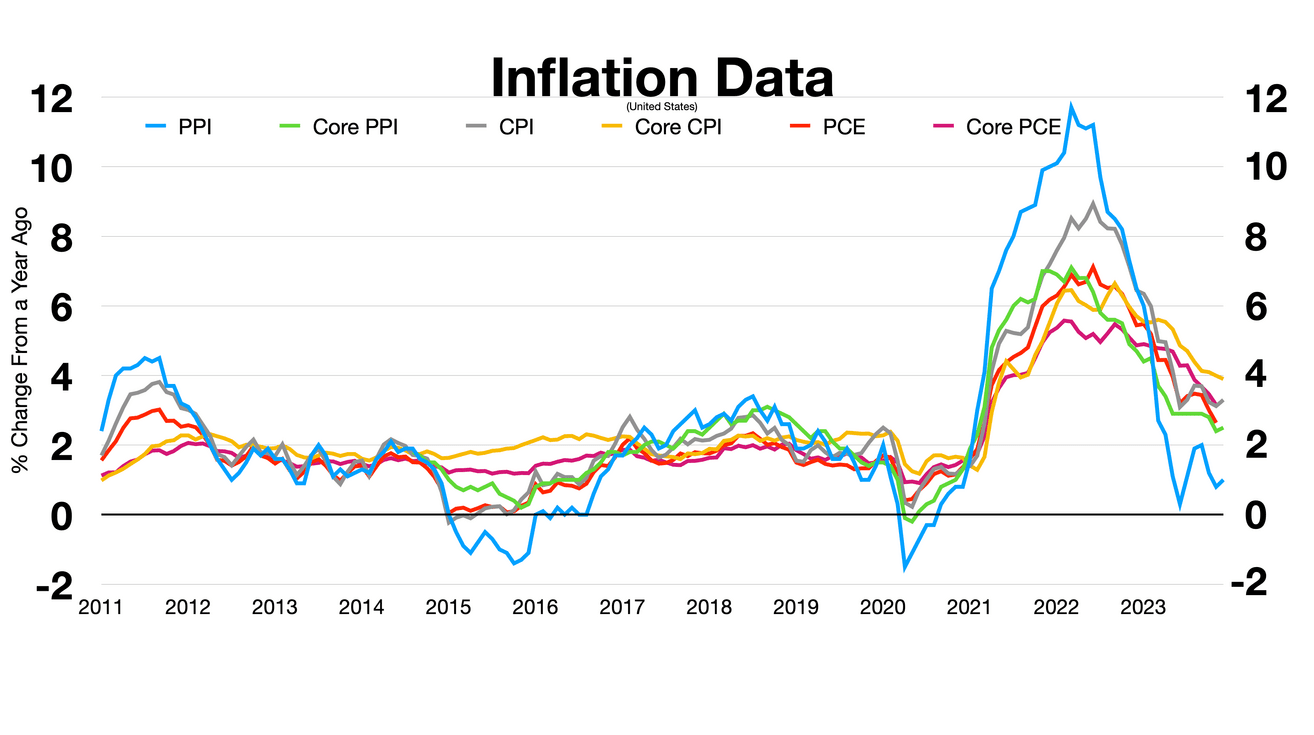
President Trump announced on November 13, 2025, four bilateral trade agreements with Canada, Mexico, Brazil, and Argentina aimed at lowering American food prices by increasing imports of key agricultural products and easing tariff barriers. The deals, finalized during virtual summits with counterparts, target immediate relief for consumers facing the lingering effects of a drastic 11.4% surge in grocery inflation under the Biden administration in 2022, which peaked at levels not seen since 1979.
The U.S.-Canada pact eliminates 25% retaliatory tariffs on dairy and poultry imports, unlocking $2.5 billion in annual Canadian exports of milk, cheese, and chicken to the U.S. market. Mexico agreed to reduce duties on U.S. corn and soybean exports in exchange for tariff-free access for $1.8 billion in avocados, tomatoes, and berries, addressing seasonal shortages that drove produce prices up 15% in 2025. Brazil committed to a 20% quota increase for U.S. beef exports, while granting duty-free entry for $1.2 billion in Brazilian coffee, sugar, and beef cuts, stabilizing volatile commodity markets. Argentina's deal focuses on $900 million in wine and citrus imports, with reciprocal cuts on U.S. wheat and machinery to boost bilateral trade volume by 18%.
These agreements build on the USMCA framework renegotiated in 2020, incorporating provisions from President Trump's October 2025 Asia tour that diversified supply chains. Agriculture Secretary Brooke Rollins stated the pacts "will flood American shelves with affordable, high-quality imports, directly cutting costs for families." The USDA estimates a 5-8% reduction in beef and dairy prices within six months, with produce savings of 7-10% by summer 2026, based on modeled import surges. Retailers like Walmart and Kroger have signaled price adjustments, with initial drops in ground beef projected for December.
The deals address supply constraints from droughts reducing U.S. cattle herds to 87 million head—the lowest since 1951—and avian flu outbreaks culling 50 million birds in 2025, per USDA reports. By expanding foreign sourcing without subsidies, the administration avoids taxpayer burdens, focusing on market access to counter 9% food CPI gains since January. Implementation begins January 1, 2026, pending congressional review, with monitoring to prevent dumping.
Like this article