Momentum Builds to End Fluoride in Public Water Supplies
These developments follow a landmark federal court ruling in September 2024, when U.S. District Judge Edward Chen ordered the Environmental Protection Agency to regulate fluoride as a toxic substance, citing scientific evidence of an "unreasonable risk" to children's IQ.
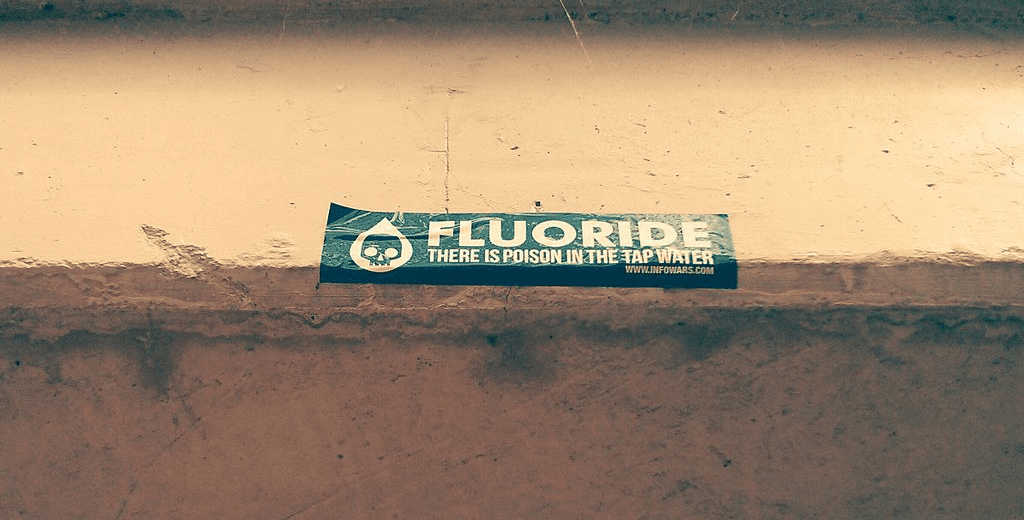
A wave of legislative and judicial actions is accelerating efforts to remove fluoride from U.S. drinking water, challenging a practice endorsed by public health officials for eight decades. In 2025 alone, 17 states introduced bills to ban or restrict fluoridation, with Utah and Florida enacting statewide prohibitions in July and September, respectively. Ten measures failed, while five remain pending in committees. Locally, at least 62 communities discontinued the additive in the past year, including Melbourne, Florida, in January—the first city in the state to act.
These developments follow a landmark federal court ruling in September 2024, when U.S. District Judge Edward Chen ordered the Environmental Protection Agency to regulate fluoride as a toxic substance, citing scientific evidence of an "unreasonable risk" to children's IQ. The decision, in a lawsuit by Food & Water Watch, marked the first time a court mandated action on fluoridation based on neurodevelopmental concerns. The EPA, under both the Biden and Trump administrations, appealed the order in October 2024, arguing it overstepped agency discretion, with oral arguments set for early 2026.
Fluoridation began in 1945 when Grand Rapids, Michigan, became the first city to add it to public supplies, based on 1930s studies linking naturally occurring fluoride in Colorado Springs water to 40% fewer cavities in children. Researchers at the time, including those at the National Institutes of Health, promoted it as a cost-effective dental aid, crediting low natural levels (around 1 ppm) for stronger tooth enamel. By 1962, the U.S. Public Health Service recommended 1.0-1.2 ppm nationwide, leading to widespread adoption—today, 73% of Americans on public water receive fluoridated supplies, per CDC data.
The practice originated from industrial processes: fluoride compounds, often hydrofluorosilicic acid derived from phosphate fertilizer and aluminum production waste, were repurposed after 1940s regulations curbed direct environmental dumping. Producers, facing disposal costs, sold the byproduct to municipalities for pennies per ton, turning a liability into a $1.2 billion annual market. Early endorsements from the American Dental Association and CDC hailed it as a top public health achievement, with studies showing 25% cavity reductions in fluoridated communities versus non-fluoridated ones.
Public sentiment began shifting in the late 1990s and early 2000s as online access amplified dissenting research. A 1990s National Toxicology Program study linked high fluoride exposure to bone cancer in rats, sparking debates on dosage safety. By 2006, the National Research Council warned of risks above 4 ppm, including skeletal fluorosis and thyroid disruption. The 2015 U.S. National Toxicology Program draft report on fluoride neurotoxicity—delayed until 2024—concluded moderate exposure (above 1.5 ppm) may lower children's IQ by 2-5 points, based on 72 human studies, mostly from China and India. A 2019 JAMA Pediatrics study of 512 mother-child pairs in Mexico found prenatal exposure reduced IQ by 4.5 points per 0.5 mg/L increase.
Efforts to remove fluoride date to the 1950s, with referendums in places like Portland, Oregon, rejecting it in 1958. The 1970s saw lawsuits challenging it as mass medication without consent, dismissed on public health grounds. Momentum built in the 2010s: Wichita, Kansas, ended fluoridation in 2011 after a 3-2 council vote amid overexposure concerns. By 2020, 10 states had active anti-fluoride bills, though none passed until Utah's 2025 law, signed by Gov. Spencer Cox, banning it from public systems effective July 1, citing "emerging science" on risks. Florida's measure, backed by Surgeon General Dr. Joseph Ladapo, followed a 2024 executive order reviewing additives; Ladapo, after reviewing 300 studies, called fluoride a "poison" unnecessary for dental health.
Nationally, HHS Secretary Robert F. Kennedy Jr. advocated ending fluoridation in a September 2025 interview, stating, "The science is clear: fluoride is a neurotoxin." The CDC and ADA maintain optimal levels (0.7 ppm) are safe and effective, reducing cavities by 25% per a 2023 meta-analysis of 58 studies. They dismiss IQ concerns as tied to excessive doses in non-U.S. contexts. The EPA's appeal, filed under President Trump, argues the court overreached, as fluoridation falls under state authority via the Safe Drinking Water Act.
Proponents of removal frame it as reclaiming local control from a one-size-fits-all policy rooted in outdated assumptions. With five states pending—Louisiana, Maine, Minnesota, New Hampshire, and South Carolina—2026 could see more bans, potentially forcing federal reevaluation if 10% of the population opts out.
Like this article