Global Economic Shifts Signal Bright Prospects for America
In mid-March 2025, U.S. tariff threats spurred global shifts, with Hungary and India slashing taxes and Germany boosting industry. These changes signal a bright future for American jobs and trade dominance, despite critics’ inflation fears.
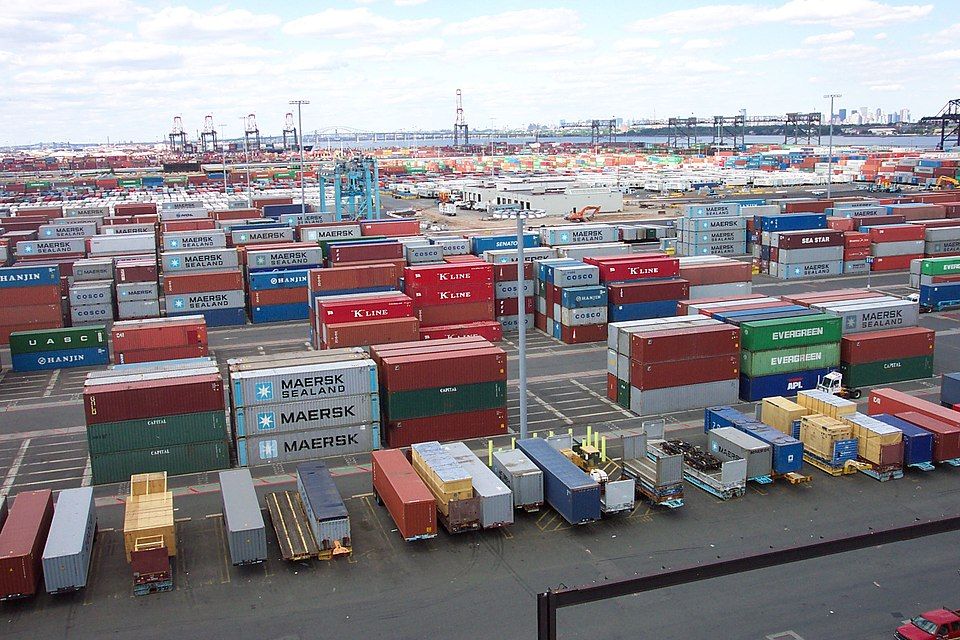
(Reprint) In mid-March 2025, America’s assertive trade policies under President Donald Trump are driving a global economic realignment that promises significant benefits for the U.S. On March 17, posts on X highlighted how tariff threats, including proposed 25% levies on Mexico and Canada, are prompting nations like Hungary and India to cut taxes and Germany to boost defense and manufacturing spending. These shifts signal a broader restructuring of international trade, positioning the U.S. to strengthen its industrial base and enhance its global leverage. Conservatives see this as a clear win, with America’s bold stance fostering a competitive environment that supports domestic growth and job creation.
The ripple effects of Trump’s tariff strategy are reshaping how nations approach trade and investment. Hungary and India’s tax cuts aim to attract businesses and stimulate growth, while Germany’s increased spending on defense and manufacturing reflects a push to bolster its own industries. These moves, noted on X, suggest that U.S. policies are forcing global competitors to adapt, potentially creating new markets for American goods like steel and technology. For example, Germany’s manufacturing investments could drive demand for U.S. raw materials, while tax cuts abroad may boost global purchasing power for American exports. Conservatives on X expressed enthusiasm, with one user stating, “Trump’s tariffs are waking up the world—America’s calling the shots now!”
At home, the administration views these global responses as a validation of its economic nationalism. The tariffs aim to protect U.S. sectors like automotive and agriculture, reducing the $1.2 trillion trade deficit from 2024 by encouraging domestic production. Recent announcements, like Hyundai’s billion-dollar U.S. manufacturing investments, underscore the potential for job growth and economic revitalization. Critics, mostly on the left, warn that tariffs could raise consumer prices and strain trade relationships, with some economists estimating a 1-2% inflation bump. They also fear retaliatory tariffs could hurt U.S. exports. Supporters, however, argue that these concerns pale in comparison to the long-term benefits of a stronger industrial base, pointing to Trump’s first-term tariffs that bolstered manufacturing jobs as evidence.
As the world adjusts to America’s trade stance, the outlook for the U.S. economy is increasingly optimistic. The global shifts—tax cuts and spending increases abroad—create opportunities for American businesses to expand their reach while strengthening domestic industries. While detractors fret over short-term price hikes, the administration’s focus on reducing reliance on foreign goods is laying the groundwork for sustained prosperity. With the U.S. driving a new economic order, March 17, 2025, marks a pivotal moment for an America poised to reclaim its position as a global economic leader.
Like this article