Ex-NPR Editor Uri Berliner on NPR’s Drift from Impartiality and Its Consequences
"It’s a self-inflicted wound, a product of how NPR embraced a fringe progressivism that cost it any legitimate claim to stand as an impartial provider of news..."
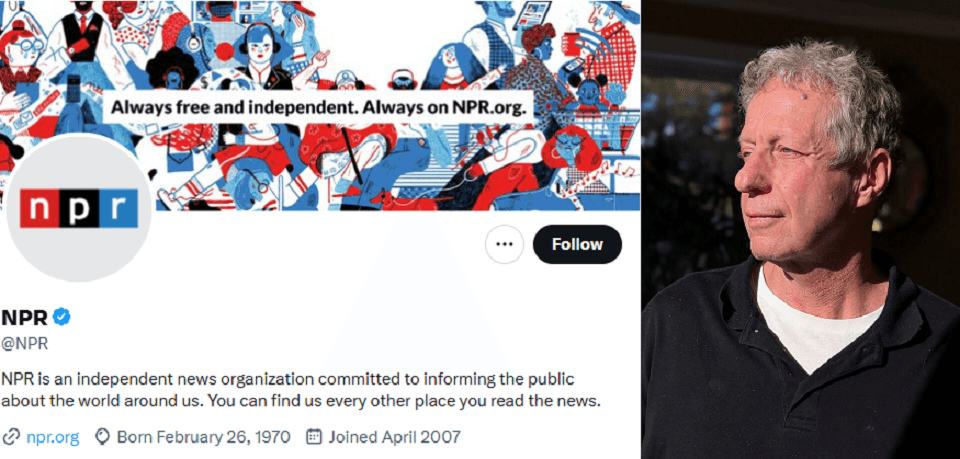
Uri Berliner, a veteran NPR senior editor with 25 years at the network, published a scathing critique in The Free Press, arguing that NPR’s embrace of “fringe progressivism” eroded its credibility and led to its recent defunding. Berliner’s essay, titled “Happy Independence Day, NPR,” details how the network strayed from its founding mission of balanced, public-focused journalism, ultimately alienating a diverse audience and inviting the Senate’s decision to cut $1.1 billion from the Corporation for Public Broadcasting.
Berliner points to specific examples of NPR’s biased coverage, including its handling of the COVID lab leak theory and the Hunter Biden laptop story. He argues these stories were downplayed or framed in ways that aligned with progressive narratives, undermining the network’s claim to impartiality. “NPR became a boutique product for a well-heeled audience clustered around coastal cities and college towns,” Berliner wrote, noting that the network’s once-balanced listener base—split evenly among liberals, moderates, and conservatives—shifted sharply left, leaving moderate and conservative voices sidelined.
He also highlights NPR’s editorial choices, such as stories on “Which Skin Color Emoji Should You Use?” and “Bringing Diversity to Maine’s Nearly All-White Lobster Fleet.” These, Berliner argues, reflect a focus on niche, ideologically driven content over broad, objective reporting. Internal guidelines further compounded the issue, with staff instructed to avoid terms like “biological sex” or “illegal immigrant” to prevent causing offense. Berliner sees these as part of NPR’s descent into the “Great Awokening,” prioritizing progressive sensibilities over journalistic rigor.
Berliner’s critique isn’t just about content. He faults NPR’s leadership, particularly under its current CEO, for dismissing calls to restore balance. Instead of addressing criticisms, the network doubled down, further eroding public trust. Berliner initially proposed NPR voluntarily relinquish federal funding to rebuild credibility, but this suggestion went unheeded. The Senate’s vote, which awaits House approval, strips NPR of 5-10% of its budget—significant but not fatal, though smaller public stations face greater risk. Berliner calls this a “self-inflicted wound,” arguing NPR’s actions made defunding inevitable.
Now, NPR must navigate a competitive media landscape without federal support, free to pursue its editorial direction but subject to market pressures. Berliner hopes this shake-up forces NPR to rediscover its roots, delivering journalism that serves all Americans, not just a narrow, elite audience.
Like this article