Appeals Court Revives Trump's Bid to Shift Hush Money Case to Federal Court, Citing Incomplete Lower Review
In a unanimous decision by a three-judge panel, the court held that U.S. District Judge Alvin Hellerstein "bypassed what we consider to be important issues bearing on the ultimate issue of good cause" when rejecting the transfer request in July 2024.
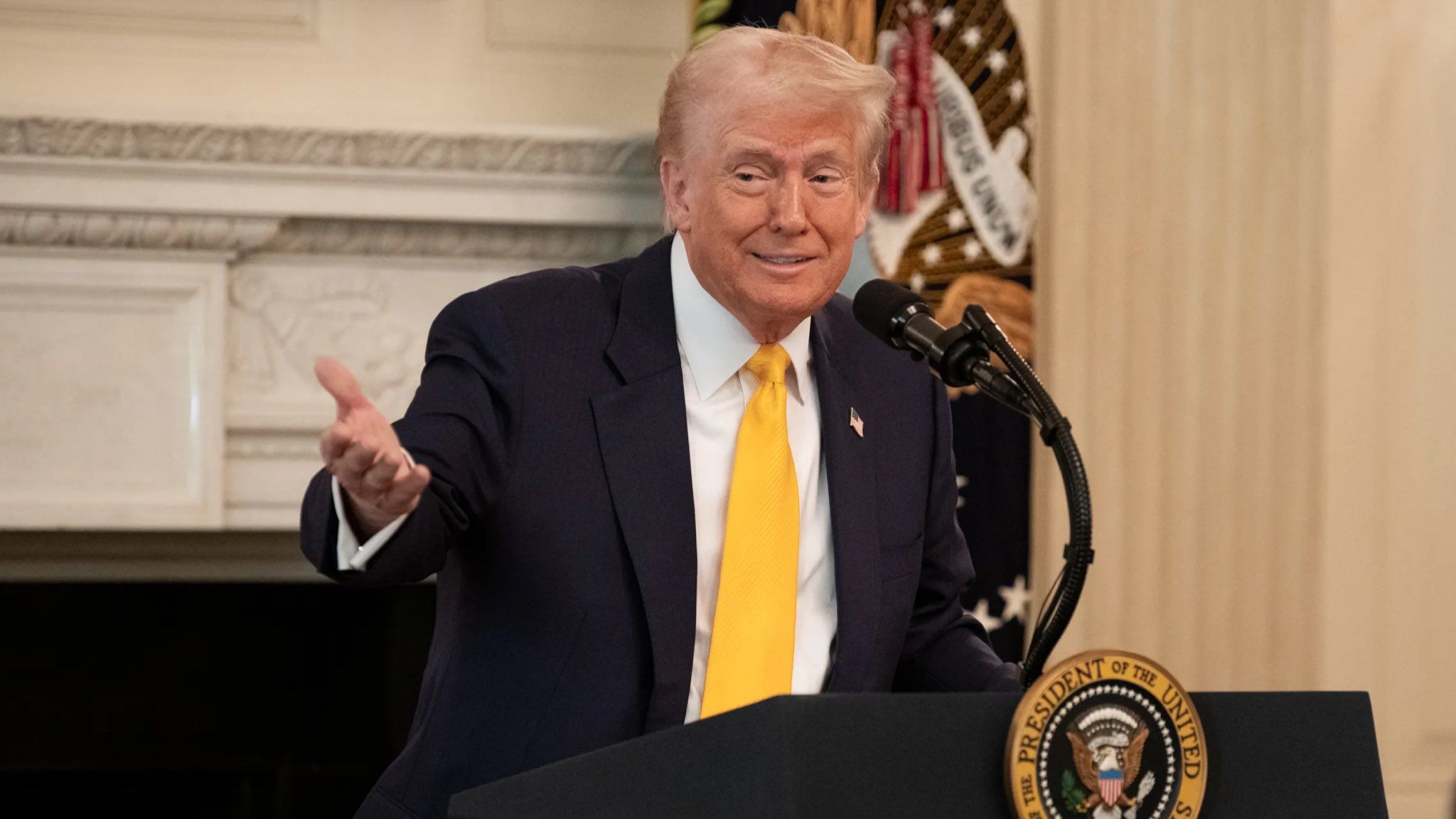
The U.S. Court of Appeals for the Second Circuit ruled on November 6, 2025, to vacate a lower federal judge's denial of President Trump's motion to transfer his New York hush money conviction to federal court, remanding the case for further consideration. In a unanimous decision by a three-judge panel, the court held that U.S. District Judge Alvin Hellerstein "bypassed what we consider to be important issues bearing on the ultimate issue of good cause" when rejecting the transfer request in July 2024. The panel emphasized it expressed "no view" on the merits of federal jurisdiction but required Hellerstein to reassess Trump's arguments under 28 U.S.C. § 1441, the federal removal statute.
The appeals court identified specific deficiencies in Hellerstein's analysis. First, it faulted the judge for not fully addressing whether President Trump's actions—reimbursing Michael Cohen for a $130,000 payment to adult film actress Stormy Daniels in 2016—qualified as "official acts" performed under color of presidential authority. Trump contended the payments related to his campaign, an official duty, invoking the Supremacy Clause to argue state prosecution interfered with federal functions. The panel noted Hellerstein dismissed this without evaluating if the conduct fell within the "outer perimeter" of presidential responsibilities, as established in cases like Trump v. Vance (2020).
Second, the court criticized the lower ruling for inadequate scrutiny of timing and venue. Hellerstein had deemed the removal motion untimely, filed nearly a year after indictment, but the Second Circuit found this overlooked equitable tolling principles, where delays stem from evolving legal theories, such as the Supreme Court's July 2024 immunity decision in Trump v. United States. That ruling granted absolute immunity for core constitutional acts and presumptive immunity for official ones, prompting Trump's renewed federal claim. The panel directed Hellerstein to consider whether the immunity framework altered the "good cause" for removal, potentially preempting state charges.
Third, the decision highlighted unexamined evidence of bias in the state prosecution. Hellerstein's order ignored affidavits alleging Manhattan District Attorney Alvin Bragg campaigned on "getting Trump" and elevated misdemeanor falsification charges to felonies via an unprecedented novel theory: violating New York election law by concealing information from voters. The appeals court instructed reevaluation of whether this construct violated federal supremacy, as state officials cannot prosecute acts intertwined with presidential campaigns without congressional authorization.
The underlying case, People v. Trump, culminated in a May 30, 2024, conviction on 34 felony counts of falsifying business records in the first degree. Prosecutors alleged Trump reimbursed Cohen through 11 checks totaling $420,000, mislabeled as legal expenses, to silence Daniels about a 2006 encounter ahead of the 2016 election. Bragg elevated the charges by linking them to a conspiracy to promote Trump's election unlawfully, a misdemeanor under New York Penal Law § 17.10 absent injury. Sentencing occurred on January 10, 2025, before Judge Juan Merchan, who fined President Trump $10,000 and imposed 18 months of supervised release with restrictions on social media posts about the case, but no prison time. Merchan, who donated $35 to Democratic causes in 2023 and whose daughter consulted for anti-Trump PACs, cited the Supreme Court's immunity ruling as limiting incarceration options.
Critics of the prosecution point to several irregularities. The indictment, unsealed April 4, 2023, came after Bragg's campaign pledge to target Trump, raising selective prosecution concerns under equal protection principles. Witnesses included Cohen, disbarred for lying under oath, and Daniels, whose testimony focused on unsubstantiated claims beyond the financial scheme. The jury pool from overwhelmingly Democratic Manhattan (87% Biden in 2020) raised fair trial issues, with no successful challenges to the venue despite Trump's motion. Gag orders limited Trump's defense, and evidence rules barred testimony on the payments' legality under campaign finance law, where Federal Election Commission records show no violation.
Merchan rejected dismissal motions, including one citing presidential immunity post-Supreme Court ruling, deeming the acts unofficial. Appeals on conviction grounds are pending in New York state courts, but the federal transfer bid, if successful, would preempt state proceedings under the Supremacy Clause.
Trump's legal team hailed the Second Circuit decision as a "critical step toward vindication," arguing it exposes the prosecution's overreach. The case returns to Hellerstein, who may solicit briefing or hold a hearing. With no timeline set, resolution could precede or follow sentencing, potentially reshaping the historic first criminal conviction of a sitting or former president.
Like this article